
Industrial Control Valves Supplier in Mumbai & India
Reliable process regulation begins with choosing a valve that matches the operating conditions. Industrial control valves help manage flow, pressure and temperature in process systems where consistent regulation matters.
Ultra Valves Automation Pvt. Ltd. welcomes enquiries for industrial control valves from engineering contractors, maintenance teams and industrial buyers in Mumbai and across India.
Explore available body materials, trim options, pressure classes, actuator arrangements and end connections before choosing a control valve for your application.
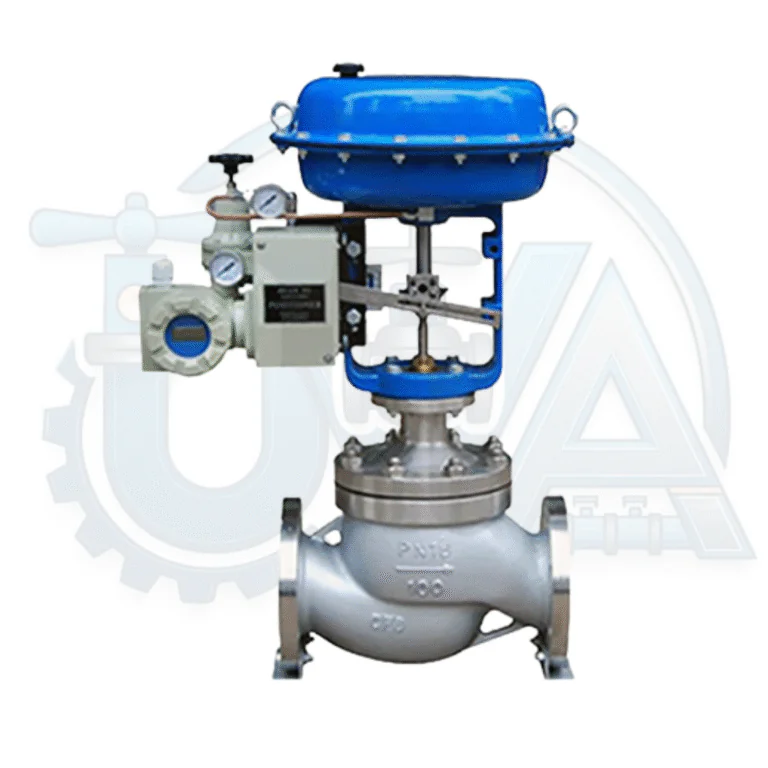 Industrial Control Valve
Industrial Control Valves for Accurate Process Regulation
A control valve changes the effective opening through a pipeline to regulate the flow of a liquid, gas or steam. When paired with a suitable actuator and control system, it can respond to changing process conditions without requiring constant manual adjustment.
Buyers researching a control valves manufacturer often need more than a standard catalogue description. They need to understand how the proposed valve will perform at the required flow rate, differential pressure and temperature.
Ultra Valves Automation Pvt. Ltd. provides a point of contact for industrial control valve enquiries, helping buyers communicate their required materials, sizes, pressure classes and operating arrangements.
When comparing control valve suppliers, make sure the valve and actuator are selected together. A suitable valve body alone does not guarantee the required control performance.
Product Highlights
- Valve type: Industrial Control Valve
- Body: WCB, CF8, CF8M, SS304 and SS316
- Trim: SS304, SS316 and Alloy Steel
- Sizes: 15 NB to 300 NB
- Pressure: ANSI Class 150, 300 and 600
- Temperature: -29°C to +425°C
- Flanged, threaded and welded connections
- Pneumatic, electric and manual operation
- Design reference: ASME B16.34 / IEC Standards
- Testing reference: API 598
Designed for Different Industrial Control Requirements
Each control valve must be matched to the process medium, operating pressure, flow requirements and method of control.
Flow Regulation
Adjusts the flow passage to support the required process conditions in suitable industrial systems.
Multiple Body Materials
Listed material options include WCB, CF8, CF8M, SS304 and SS316 for different service requirements.
Actuator Compatibility
Pneumatic and electric actuator options allow the valve to be considered for automated process control.
Pressure Class Options
ANSI Class 150, 300 and 600 are listed, subject to material and temperature suitability.
End Connection Choices
Flanged, threaded, butt weld and socket weld options support different piping arrangements.
Industrial Applications
Suitable configurations may be considered for liquid, gas, steam and utility process services.
Control Valve Technical Details
Review the available size range, materials, pressure ratings, connections and operating options.
| Parameter | Specification |
|---|---|
| Valve Type | Control Valve |
| Body Material | WCB / CF8 / CF8M / SS304 / SS316 |
| Trim Material | SS304 / SS316 / Alloy Steel |
| Size Range | 15 NB to 300 NB (½″ to 12″) |
| Pressure Rating | ANSI Class 150 / 300 / 600 |
| Temperature Range | -29°C to +425°C |
| End Connection | Flanged / Threaded / Butt Weld / Socket Weld |
| Operation | Pneumatic Actuator / Electric Actuator / Manual |
| Design Standard | ASME B16.34 / IEC Standards |
| Testing Standard | API 598 |
Note: Actual pressure-temperature suitability depends on the selected material and configuration. Confirm the product datasheet, applicable IEC standard, Cv/Kv, actuator sizing, leakage class and testing requirements before ordering.
How an Industrial Control Valve Works
In an automated process, a control valve responds to a signal and adjusts its opening to help maintain a required operating condition.
Measure the Process
A sensor measures a variable such as flow, temperature or pressure.
Send the Control Signal
The controller compares the measurement with the required setpoint and sends an adjustment command.
Adjust the Valve
The actuator changes the valve position to regulate the process flow.
Understanding Different Control Valve Requirements
Not every valve described as a control valve performs the same function. Selection starts with understanding the specific duty.
Pressure Control
Pressure control valve suppliers and a pressure control valve manufacturer should be evaluated against the required inlet pressure, outlet pressure and flow range. A suitable valve may help regulate process pressure when paired with the correct control arrangement.
Temperature Control
Temperature control valve manufacturers focus on applications involving heating or cooling media. Valve sizing, temperature limits and actuator response are important selection considerations.
Steam Control
Steam control valves manufacturers must account for operating temperature, pressure drop and steam conditions. Suitable trim and actuator selection are essential for the intended service.
Gas Control
Gas control valve manufacturers and gas control valve suppliers should be compared using the gas composition, pressure range, required flow capacity and applicable safety requirements.
Air Control
Air control valve manufacturers may serve different industrial air applications. Process air regulation and pneumatic directional control are separate duties and should not be treated as identical products.
Directional Control
Directional control valve manufacturers design valves that route fluid between flow paths. Hydraulic directional control valve manufacturers typically address hydraulic circuit requirements, which differ from conventional process throttling.
These application descriptions explain related control valve categories. Availability of specialised hydraulic directional valves, gas regulators or other specific designs must be confirmed separately.
Choose Materials That Suit Your Process
Material selection plays an important role in control valve performance. The correct choice depends on the process fluid, pressure, temperature and potential corrosion or erosion.
Available body material grades listed for this product include WCB, CF8, CF8M, SS304 and SS316. Trim options include SS304, SS316 and alloy steel.
Beyond the body and trim, buyers should consider the required control characteristic, pressure drop, noise, cavitation risk and actuator response.
A detailed enquiry helps avoid selecting a valve based only on nominal size and pressure class.
Technical Selection Checklist
- Process medium and fluid properties
- Minimum, normal and maximum flow
- Inlet and outlet pressures
- Operating temperature
- Required Cv or Kv
- Body and trim materials
- Pressure class and end connection
- Actuator type and control signal
- Fail-open or fail-closed requirement
- Required leakage class
Control Valves Suppliers in Mumbai
Industrial plants and engineering contractors in Mumbai often require control valves for flow, pressure and temperature regulation in process piping systems.
Buyers researching a control valves manufacturer in Mumbai should compare body materials, trim design, actuator compatibility, pressure class and the requirements of the intended application.
Ultra Valves Automation Pvt. Ltd. welcomes enquiries from businesses searching for control valves suppliers in Mumbai. Share your technical requirements to discuss the appropriate product configuration.
Call for Product Enquiry →Send These Details for a Quote
- Required valve size
- Fluid or gas being handled
- Flow rate and operating pressure
- Operating temperature
- Body and trim materials
- Pressure class
- End connection type
- Actuator and control requirements
- Quantity and delivery location
Control Valves Supplier in India
Industrial control valves are used in process systems where a liquid, gas or steam flow must be regulated. The correct selection depends on the process conditions, the required control response and the valve construction.
When researching a control valves manufacturer in India, buyers should review verified specifications, material compatibility, actuator options, applicable standards and technical documentation.
Ultra Valves Automation Pvt. Ltd. welcomes enquiries from industrial buyers comparing control valves suppliers in India for new projects, maintenance requirements and process system upgrades.
Businesses comparing control valve manufacturing companies and control valve companies should consider technical suitability rather than relying on broad marketing claims. The right valve is one that meets the actual process and project requirements.
Searches for top control valve manufacturers or the best control valve manufacturer are useful starting points, but buyers should make the final decision using verified specifications, documentation and application requirements.
Where Industrial Control Valves Are Used
Control valves may be considered for different process applications where regulated flow is required.
Oil & Gas
Suitable flow and pressure regulation duties.
Power Generation
Selected steam, water and utility control systems.
Chemical Processing
Compatible liquid and gas process regulation.
Petrochemical Plants
Selected process piping and utility applications.
Water Treatment
Suitable flow and pressure control duties.
Industrial Utilities
Compatible steam, air, water and other utility services.
Built Around Your Process Requirements
Selecting a control valve involves more than choosing a size from a catalogue. Understanding the service conditions helps identify the construction and operating arrangement that should be considered for your project.
Match the Process Conditions
Start with the medium, flow range, operating pressure and temperature. These details form the basis of valve selection.
Review Materials and Connections
Compare the required body and trim materials, pressure class and end connections against your piping specifications.
Plan the Operating Arrangement
Identify whether the application requires pneumatic actuation, electric actuation or manual operation.
Confirm Technical Documentation
Before finalising the order, verify the approved valve datasheet, control performance, applicable standards and testing requirements.
Prepare a Clear Technical Enquiry
A complete enquiry makes it easier to review the proposed control valve against your application requirements.
- Valve size, pressure class and end connection
- Fluid, flow rate, inlet and outlet pressure
- Operating temperature and material preference
- Actuator type, control signal and quantity
FAQs About Industrial Control Valves
Answers to common questions about materials, sizing, pressure ratings, operation and selection.
What is an industrial control valve?
An industrial control valve regulates the flow of a process medium by changing the opening through the valve. It may help control flow, pressure or temperature.
What sizes are listed for these control valves?
The supplied size range is 15 NB to 300 NB, approximately ½ inch to 12 inches.
What pressure ratings are listed?
ANSI Class 150, 300 and 600 are listed. The actual pressure-temperature suitability depends on the selected configuration.
What is the listed temperature range?
The supplied temperature range is -29°C to +425°C. Suitability should be confirmed for the specific valve and actuator arrangement.
Which body materials are available in the specification?
The listed body materials are WCB, CF8, CF8M, SS304 and SS316. Trim options include SS304, SS316 and alloy steel.
Can control valves use electric or pneumatic actuators?
Yes. The supplied operation options include pneumatic actuators, electric actuators and manual operation. Actuator suitability must be confirmed for the duty.
Are directional control valves the same as process control valves?
No. A conventional process control valve generally regulates flow through a process line. A directional control valve routes fluid between different paths, commonly in hydraulic or pneumatic circuits.
What information is needed for control valve sizing?
Typical requirements include fluid properties, flow range, inlet and outlet pressures, operating temperature, Cv/Kv, pressure class and actuator details.
How should I compare control valve manufacturers in India?
Compare verified specifications, material compatibility, valve sizing, actuator options, testing requirements and application suitability.
Can I request a control valve quotation for Mumbai or another city in India?
Yes. Ultra Valves Automation Pvt. Ltd. welcomes industrial enquiries from Mumbai and across India. Share your specifications, quantity and delivery location to discuss your requirement.
Need a Control Valve Quotation?
Contact Ultra Valves Automation Pvt. Ltd. with your process conditions, valve specifications and quantity requirements.