
Ultra Valves Manufacturer in Mumbai

ULTRA VALVES AUTOMATION PVT. LTD.
Industrial Flow Control Solutions

Diaphragm Valves Manufacturer & Supplier in Mumbai, India

Diaphragm valves are a practical choice for industrial pipelines where the valve operating mechanism needs to remain separated from the process medium. Their flexible diaphragm helps control or shut off the flow through the valve body.

Ultra Valves Automation Pvt. Ltd. welcomes enquiries for industrial diaphragm valves, including screwed-end and flanged-end weir-type designs, from buyers in Mumbai and across India.

Explore the available body materials, diaphragm materials, sizes, connection options and manufacturing standard before choosing a diaphragm valve for your application.

Industrial Weir-Type Diaphragm Valves
Product Overview

Industrial Diaphragm Valves for Process Piping

A diaphragm valve uses a flexible membrane to control the passage of fluid through the valve body. In a weir-type design, the diaphragm moves toward a raised weir to reduce or stop the flow.

One of the important characteristics of this construction is the separation between the process medium and the operating mechanism. This makes diaphragm valves worth considering for suitable chemical, water treatment and industrial process applications.

Buyers looking for a diaphragm valve supplier should pay particular attention to the compatibility of the body material and diaphragm material with the process fluid. The diaphragm is a working component and must suit the expected pressure, temperature and chemical conditions.

Ultra Valves Automation Pvt. Ltd. provides a contact point for buyers comparing industrial diaphragm valves for projects in Mumbai and throughout India.

Available Product Specifications

  • Valve construction: Weir (A) Type
  • Sizes: ½″ to 2″
  • Body materials: CI / CS / 304 / 316 / PP / PVC
  • Diaphragm materials: Nitrile / Neoprene / EPDM
  • Additional diaphragms: Hypalon / Viton / PTFE
  • Screwed connections: NPT / BSP
  • Flanged connections: ANSI B16.5 / Table D / Table E / DIN 2533
  • Manufacturing standard listed: BS 5156
Product Range

Explore Our Diaphragm Valve Types

The supplied range includes two weir-type diaphragm valve connection options: screwed and flanged. Both use a flexible diaphragm to regulate or isolate flow.

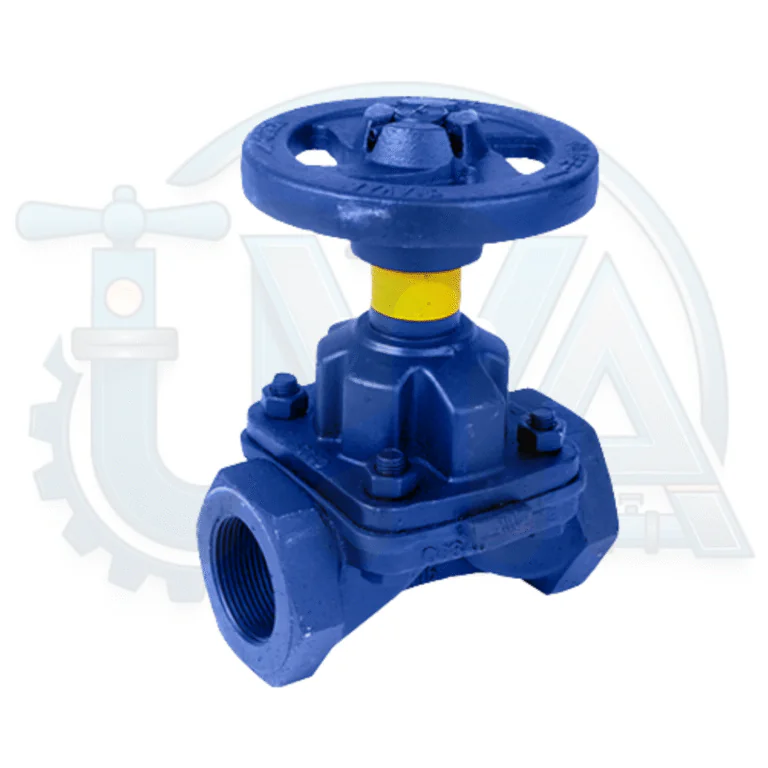
Diaphragm Valve Screwed - Weir Type
Screwed Connection

Diaphragm Valve Screwed

The screwed diaphragm valve features a weir-type construction with NPT or BSP threaded end connections. This connection arrangement may be considered for suitable smaller-bore process piping applications.

The listed size range is ½″ to 2″, with body material options including CI, CS, 304, 316, PP and PVC.

View Specifications →
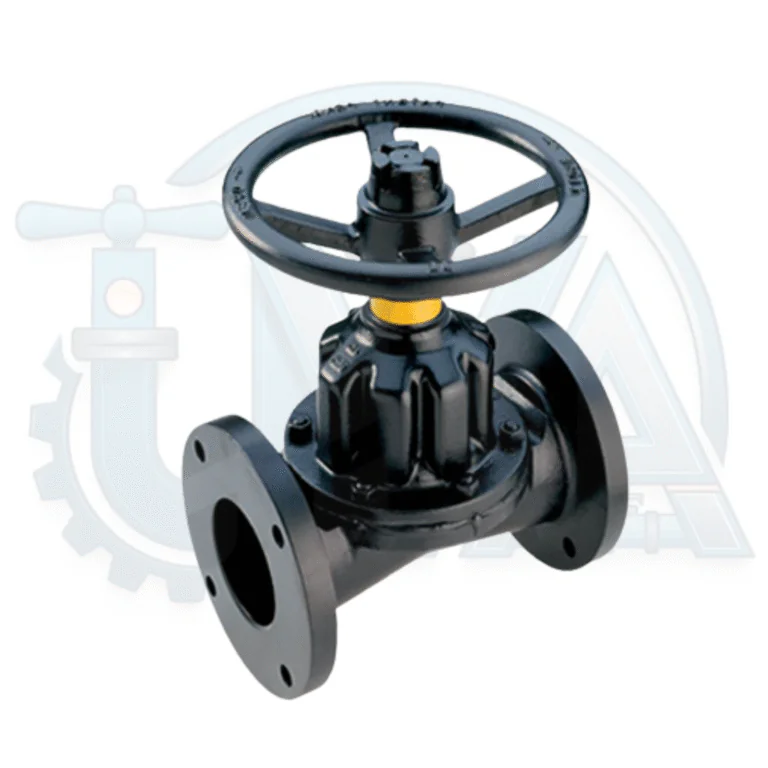
Diaphragm Valve Flanged - Weir Type
Flanged Connection

Diaphragm Valve Flanged

The flanged diaphragm valve is designed with flanged end connections for suitable industrial piping systems. The listed connection references include ANSI B16.5, Table D, Table E and DIN 2533.

This weir-type construction is listed in sizes from ½″ to 2″, with several body and diaphragm material options.

View Specifications →
Technical Specifications

Diaphragm Valve Technical Details

Review the supplied technical specifications for each connection type before selecting a valve for your application.

Diaphragm Valve Screwed Specifications

Parameter Specification
Type Weir (A) Type
Size ½″ to 2″
Body Materials CI / CS / 304 / 316 / PP / PVC
Diaphragm Nitrile / Neoprene / EPDM / Hypalon / Viton / PTFE
End Connection Screwed NPT / BSP
Manufacturing Standard BS 5156

Diaphragm Valve Flanged Specifications

Parameter Specification
Type Weir (A) Type
Size ½″ to 2″
Body Materials CI / CS / 304 / 316 / PP / PVC
Diaphragm Nitrile / Neoprene / EPDM / Hypalon / Viton / PTFE
End Connection ANSI B16.5 / Table D / Table E / DIN 2533
Manufacturing Standard BS 5156

Technical note: The tables reproduce the supplied specifications. Pressure ratings, temperature limits, actuation options and detailed dimensional data were not provided. Confirm these details, along with chemical compatibility and the approved datasheet, before selecting a valve. The listed diaphragm materials are alternatives, not interchangeable for every service.

Key Product Features

Features of Weir-Type Diaphragm Valves

The weir-type diaphragm valve construction offers a distinct method of flow control and shut-off compared with conventional metal-seated valve designs.

01

Flexible Diaphragm

A flexible diaphragm moves toward the weir to restrict or stop the process flow.

02

Process Separation

The diaphragm separates the process medium from the upper operating mechanism under normal conditions.

03

Body Material Options

Listed body materials include cast iron, carbon steel, stainless steel, PP and PVC.

04

Diaphragm Material Options

Nitrile, Neoprene, EPDM, Hypalon, Viton and PTFE are included in the supplied range.

05

Connection Choices

Screwed and flanged options provide different installation arrangements for process piping.

06

Weir-Type Construction

The raised weir provides a seating surface against which the diaphragm closes.

Working Principle

How Does a Diaphragm Valve Work?

The diaphragm of valve construction acts as a flexible barrier and closing element. Its movement changes the available flow passage.

01

Open Position

The diaphragm is lifted away from the weir, allowing the process medium to pass through the valve body.

02

Partially Closed Position

The diaphragm moves toward the weir and reduces the flow passage. Whether the valve is suitable for throttling depends on its specific design.

03

Closed Position

The diaphragm presses against the weir to close the flow path, subject to the valve's design and operating limits.

Valve Selection Knowledge

Understanding Diaphragm Valve Types and Related Designs

The phrase diaphragm valve is used for several different products. Some use a diaphragm directly to isolate process flow, while others use a diaphragm inside a pressure regulator, actuator or control mechanism.

Industrial Diaphragm Valves

Industrial diaphragm valves commonly use a flexible membrane to isolate or regulate flow. The supplied product range includes weir-type screwed and flanged constructions.

Air-Actuated Diaphragm Valves

An air actuated diaphragm valve uses pneumatic pressure to move the valve mechanism. An air pilot operated diaphragm control valve may use a pilot arrangement to influence valve operation. Actuation availability must be confirmed separately.

Diaphragm Control Valves

A diaphragm operated process control valve uses diaphragm movement as part of its operating mechanism. The diaphragm in control valve systems may also be part of the actuator rather than the wetted shut-off element.

Pressure Regulation

A diaphragm pressure control valve, diaphragm regulator valve or pressure reducing valve diaphragm type uses diaphragm movement to help respond to pressure. A diaphragm type pressure reducing valve and diaphragm operated pressure reducing valve are related descriptions, but their operating details vary.

Gas and Steam Applications

A gas valve diaphragm or diaphragm gas valve may be used in a gas regulation mechanism. A steam diaphragm valve must be selected with particular care for temperature and diaphragm compatibility. These applications require specific technical verification.

Specialised Valve Designs

A diaphragm pressure relief valve, diaphragm back pressure valve and diaphragm pulse valve perform different duties. A double diaphragm valve or diaphragm pump check valve may also refer to equipment outside a standard weir-type process valve range.

Understanding Product Terminology

Why Diaphragm Valve Terminology Matters

Buyers sometimes search for a 3 inline valve diaphragm, 3 way sanitary diaphragm valve or 4 diaphragm valve when looking for a particular connection arrangement, port configuration or equipment component.

These descriptions do not automatically refer to the same construction as the two-way weir-type valves listed on this page. Port count, valve size and hygienic requirements should be stated clearly in the enquiry.

Terms such as diaphragm gate valve and diaphragm globe valve may also appear in searches. However, conventional gate, globe and weir-type diaphragm valves have different internal constructions and should not be treated as equivalent.

The diaphragm of control valve actuation systems may serve a different purpose from the flexible diaphragm of a weir-type isolation valve. Identifying that difference helps avoid ordering the wrong product.

Before You Send an Enquiry

  • Confirm whether the valve is two-way or multi-port
  • Identify the required valve function
  • State the process fluid and its concentration
  • Provide operating pressure and temperature
  • Specify screwed or flanged end connections
  • Confirm body material requirements
  • Confirm diaphragm chemical compatibility
  • Provide size, quantity and delivery location
Standards and Material Compatibility

Diaphragm Valve Standards and Selection Considerations

Diaphragm valve standards help buyers identify the intended construction and connection requirements. The manufacturing standard supplied for both screwed and flanged weir-type diaphragm valves is BS 5156.

Screwed valves are listed with NPT and BSP connections. Flanged valves are listed with ANSI B16.5, Table D, Table E and DIN 2533 connection references.

Selecting a diaphragm material is particularly important. Nitrile, Neoprene, EPDM, Hypalon, Viton and PTFE have different chemical resistance and temperature characteristics. The most suitable option depends on the actual process medium and operating conditions.

For specialised hygienic, corrosive or high-temperature applications, buyers should request the applicable product datasheet and confirm all relevant service limitations.

Industrial Applications

Applications of Diaphragm Valves

Weir-type diaphragm valves may be considered for industrial services where the body and diaphragm materials are compatible with the process medium.

Chemical Processing

Suitable chemical handling applications where material compatibility is verified.

Water Treatment

Selected water and treatment chemical flow applications.

Industrial Utilities

Compatible utility piping and process isolation duties.

Process Manufacturing

Selected liquid handling and process piping systems.

Effluent Treatment

Suitable treatment system applications, subject to fluid compatibility.

Industrial Fluid Handling

Applications requiring an appropriate weir-type diaphragm valve construction.

Product Comparison

Screwed vs Flanged Diaphragm Valves

Both products share the same listed weir-type construction and material options. Their main difference is the connection arrangement.

Screwed Diaphragm Valve

  • Weir (A) Type construction
  • ½″ to 2″ size range
  • NPT or BSP threaded ends
  • CI, CS, 304, 316, PP and PVC body options
  • Multiple diaphragm material options
  • Manufacturing standard: BS 5156

Flanged Diaphragm Valve

  • Weir (A) Type construction
  • ½″ to 2″ size range
  • Flanged end connections
  • ANSI B16.5 / Table D / Table E / DIN 2533
  • Multiple body and diaphragm materials
  • Manufacturing standard: BS 5156
Mumbai Industrial Valve Enquiries

Diaphragm Valves Suppliers in Mumbai

Industrial buyers in Mumbai often need diaphragm valves for suitable fluid handling, chemical processing and treatment applications.

When comparing diaphragm valves manufacturer in Mumbai search results, buyers should review the actual valve construction, body material, diaphragm material and connection type.

Ultra Valves Automation Pvt. Ltd. welcomes enquiries from businesses looking for diaphragm valves suppliers in Mumbai. Share the required valve size, process fluid, operating conditions and quantity.

Whether your requirement is for a screwed diaphragm valve or a flanged weir-type design, the first step is to confirm technical suitability.

Discuss Your Requirement →

Details to Share for a Quotation

  • Valve type: Screwed or Flanged
  • Required size
  • Process fluid
  • Operating pressure
  • Operating temperature
  • Body material
  • Diaphragm material
  • End connection standard
  • Required quantity
  • Delivery location
Industrial Diaphragm Valve Enquiries Across India

Diaphragm Valves Supplier in India

Industrial diaphragm valves are used in applications where a flexible diaphragm provides the valve closing mechanism. Correct selection depends on the process medium, operating conditions and required connection arrangement.

Buyers researching a diaphragm valves manufacturer in India should compare the supplied specifications, material options, manufacturing standard and application suitability.

Ultra Valves Automation Pvt. Ltd. welcomes enquiries from industrial buyers searching for diaphragm valves suppliers in India for suitable process piping requirements.

Before placing an order, confirm whether a screwed or flanged design is required, which diaphragm material is compatible with the fluid, and whether the selected valve meets the required pressure and temperature limits.

Selection Guide

How to Choose the Right Diaphragm Valve

Choosing a diaphragm valve starts with understanding the process medium and installation requirements.

01

Identify the Process Medium

Specify the liquid or chemical being handled, including concentration and operating conditions.

02

Select Materials and Connections

Choose suitable body and diaphragm materials, then confirm whether screwed or flanged ends are required.

03

Verify the Datasheet

Check pressure and temperature limitations, connection dimensions and applicable standards before finalising the purchase.

Frequently Asked Questions

FAQs About Diaphragm Valves

Common questions about weir-type diaphragm valves, material selection, connection types and industrial applications.

What is a diaphragm valve?

A diaphragm valve uses a flexible membrane to control or stop fluid flow. In a weir-type design, the diaphragm presses against a raised weir inside the valve body.

What diaphragm valve types are listed on this page?

The supplied range includes screwed diaphragm valves and flanged diaphragm valves, both with weir (A) type construction.

What sizes are available in the supplied specification?

Both screwed and flanged diaphragm valves are listed in sizes from ½″ to 2″.

Which diaphragm materials are listed?

The listed materials are Nitrile, Neoprene, EPDM, Hypalon, Viton and PTFE. The correct material depends on the process fluid and operating conditions.

What is the difference between screwed and flanged diaphragm valves?

The main difference is the end connection. Screwed valves use NPT or BSP threaded connections, while flanged valves use the listed flange connection references.

What diaphragm valve standards are listed?

BS 5156 is the supplied manufacturing standard for both valve types. Connection references include NPT, BSP, ANSI B16.5, Table D, Table E and DIN 2533, depending on the design.

Can a diaphragm valve be used for chemical applications?

Diaphragm valves may be considered for suitable chemical handling applications. Body and diaphragm compatibility must be checked against the specific chemical, concentration and operating conditions.

Is a diaphragm valve the same as a diaphragm pressure regulator?

No. A weir-type diaphragm valve uses the diaphragm as a closing element. A diaphragm pressure regulator uses diaphragm movement within a pressure regulating mechanism.

What information should I send for a diaphragm valve quotation?

Share the required size, valve type, fluid, operating pressure, temperature, body material, diaphragm material, end connection, quantity and delivery location.

Can I enquire about diaphragm valves for Mumbai and other locations in India?

Yes. Ultra Valves Automation Pvt. Ltd. welcomes diaphragm valve enquiries from industrial buyers in Mumbai and across India.

Industrial Diaphragm Valve Enquiries

Need a Diaphragm Valve Quotation?

Contact Ultra Valves Automation Pvt. Ltd. with your valve size, body material, diaphragm material, end connection and process requirements.