Safety Valves Manufacturer & Supplier in Mumbai, India
Safety valves are essential pressure protection devices used to help safeguard equipment and piping against excessive pressure. They are designed to open at a specified set pressure and discharge the process medium when required.
Ultra Valves Automation Pvt. Ltd. welcomes enquiries for safety valves from industrial buyers, engineering contractors and maintenance teams in Mumbai and across India.
Explore the listed 15 NB to 300 NB size range, ANSI Class 150 / 300 / 600 / 900, body and trim material options, and relevant design and testing standards.
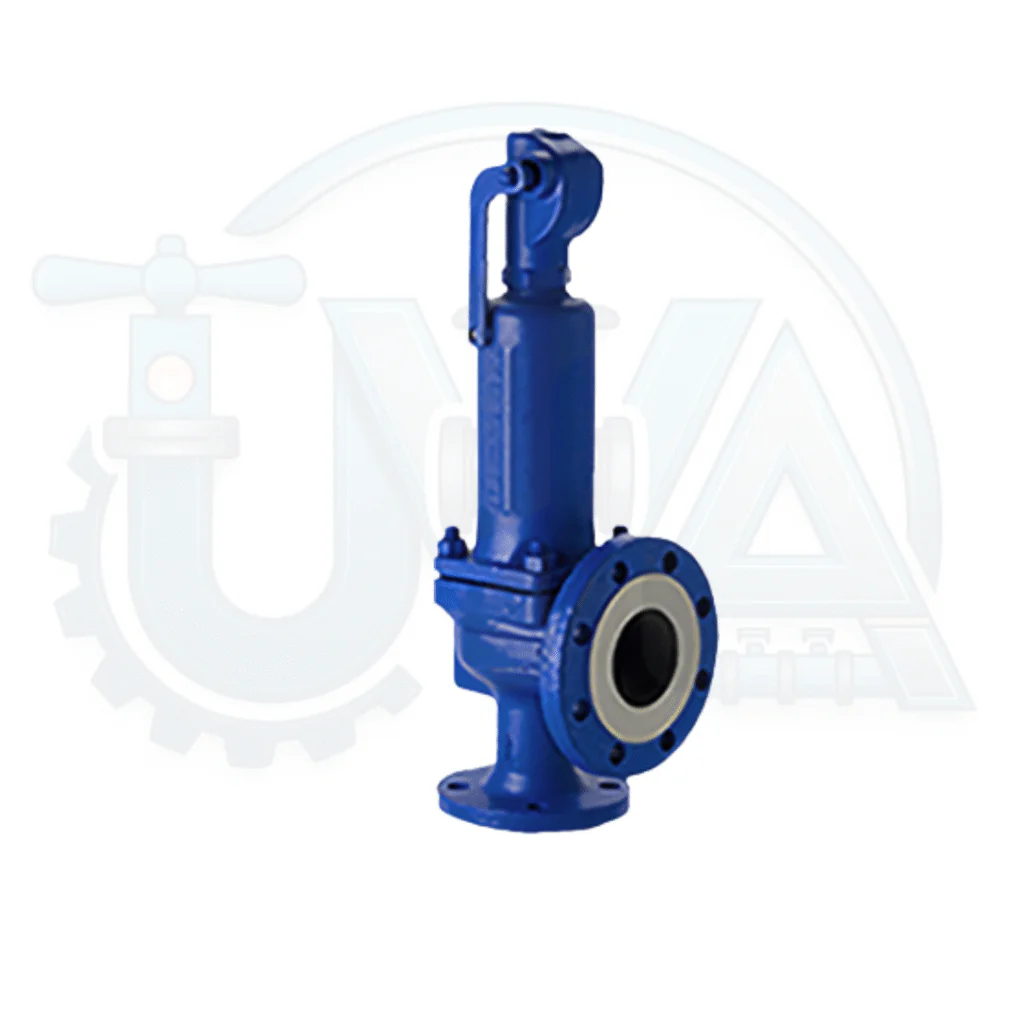 Industrial Safety Valve
s for Pressure Protection
A safety valve is designed to protect a pressure-containing system from excessive pressure. When system pressure reaches the specified set pressure, the valve opens to release the process medium through a suitable discharge arrangement.
Safety valves are used in pressure protection applications where correct sizing, set pressure, material compatibility and installation are critical.
The supplied range includes WCB, CF8, CF8M, SS304, SS316 and alloy steel body material options. Trim options include SS304, SS316, Monel and alloy steel.
Buyers comparing safety valves manufacturer options should verify the required set pressure, relief capacity, applicable design code and approved product documentation.
Product Highlights
- Safety valve for pressure protection
- Size range: 15 NB to 300 NB
- ANSI Class 150 / 300 / 600 / 900
- WCB / CF8 / CF8M / SS304 / SS316 / Alloy Steel
- SS304 / SS316 / Monel / Alloy Steel trim
- Metal / PTFE / Soft Seat options
- Temperature range: -29°C to +425°C
- Set pressure based on application
- Flanged / Threaded / Screwed connections
- API 526 / ASME Section VIII
- API 527 testing
Safety Valve Technical Specifications
Review the supplied product specifications and share your operating requirements for technical selection.
| Parameter | Specification |
|---|---|
| Valve Type | Safety Valve |
| Size Range | 15 NB to 300 NB (½″ to 12″) |
| Pressure Rating | ANSI Class 150 / 300 / 600 / 900 |
| Body Material | WCB / CF8 / CF8M / SS304 / SS316 / Alloy Steel |
| Trim Material | SS304 / SS316 / Monel / Alloy Steel |
| Seat Material | Metal Seat / PTFE / Soft Seat |
| Temperature Range | -29°C to +425°C |
| Set Pressure Range | As per Application Requirement |
| End Connection | Flanged / Threaded / Screwed |
| Design Standard | API 526 / ASME Section VIII |
| Testing Standard | API 527 |
Important: ANSI pressure class is not the same as safety valve set pressure. The required set pressure and certified discharge capacity must be established for the protected system. Material, seat and temperature combinations require confirmation against the approved datasheet.
How Does a Safety Valve Work?
A safety valve opens when pressure reaches its specified set pressure and closes after pressure is reduced to the appropriate reseating level.
Normal Operation
Under normal conditions, the valve remains closed while system pressure stays below its opening set pressure.
Pressure Reaches Set Point
When system pressure reaches the specified set pressure, the valve begins to open according to its design and service conditions.
Pressure Relief & Reseating
The valve discharges through an engineered relief path and reseats when pressure falls sufficiently, according to its operating characteristics.
Key Features of Industrial Safety Valves
Overpressure Protection
Designed to help protect pressure-containing systems when correctly selected and installed.
Application-Based Set Pressure
Set pressure is specified according to the protected equipment and applicable code.
Multiple Body Materials
The supplied range includes carbon steel, stainless steel and alloy steel options.
Seat Material Options
Metal, PTFE and soft-seat options are listed for different operating requirements.
Pressure Class Options
The supplied specifications list ANSI Class 150, 300, 600 and 900.
Defined Standards
API 526, ASME Section VIII and API 527 are included in the supplied technical specifications.
Choosing the Right Safety Valve for Your Process
Safety valve selection involves more than choosing a pipe size and pressure class. The valve must be capable of relieving the required flow under the relevant overpressure scenario.
The engineering review should consider the protected equipment's allowable pressure, the required set pressure, relieving conditions, process medium and discharge arrangement.
Body, trim and seat materials must also be compatible with the operating conditions. The selected configuration should meet the applicable code and project requirements.
For safety-critical duties, final selection and sizing should be reviewed by a qualified engineer.
Technical Enquiry Checklist
- Protected equipment details
- Applicable design code
- Required set pressure
- Relieving pressure and temperature
- Process medium
- Required relief capacity
- Backpressure conditions
- Inlet and outlet connections
- Body, trim and seat materials
- Required testing and documentation
Where Safety Valves Are Used
Safety valves are selected for pressure protection duties in systems where applicable codes require suitable overpressure protection.
Boilers & Steam Systems
Pressure protection applications subject to the applicable boiler and steam codes.
Chemical Processing
Suitable pressure protection for compatible process systems.
Oil & Gas
Selected pressure relief duties in engineered process installations.
Power & Utilities
Pressure protection requirements in applicable utility systems.
Pressure Vessels
Overpressure protection where required by the governing design code.
Industrial Manufacturing
Pressure protection for suitable plant equipment and process systems.
Safety Valves Suppliers in Mumbai
Industrial plants, engineering contractors and maintenance teams in Mumbai require safety valves that match their process and pressure protection needs.
When comparing safety valves suppliers in Mumbai, buyers should review the required set pressure, relief capacity, valve materials, connection sizes and applicable standards.
Buyers researching a safety valves manufacturer in Mumbai should also verify approved technical documentation, test requirements and suitability for the protected system.
Ultra Valves Automation Pvt. Ltd. welcomes safety valve enquiries from industrial buyers in Mumbai. Share your application details to request a quotation.
Call for Safety Valve Enquiry →Information for Your Quotation
- Required valve size
- Pressure class
- Required set pressure
- Relief capacity
- Process medium
- Operating and relieving temperature
- Body and trim materials
- Seat material
- End connection
- Quantity and delivery location
Safety Valves Suppliers in India
Industrial safety valves play an important role in protecting pressure-containing equipment from excessive pressure. Correct sizing and application-specific selection are essential.
Buyers comparing safety valves suppliers in India should evaluate set pressure, certified relieving capacity, body and trim materials, seat construction and applicable standards.
If you are researching a safety valves manufacturer in India, request the approved technical datasheet, applicable testing details and any required certification documentation.
Ultra Valves Automation Pvt. Ltd. welcomes enquiries from industrial buyers across India for safety valve requirements.
How to Specify a Safety Valve Correctly
A complete engineering specification helps prevent unsuitable valve selection.
Identify the Protected System
Establish the protected equipment, applicable code and overpressure scenarios.
Determine Relief Requirements
Specify set pressure, required relieving capacity, fluid properties and relieving conditions.
Select Compatible Materials
Check body, trim and seat compatibility with the process medium and temperature.
Verify Documentation
Confirm applicable standards, certified capacity, test requirements and installation details.
FAQs About Safety Valves
Answers to common questions about safety valve operation, pressure ratings, set pressure and industrial applications.
What is a safety valve?
A safety valve is a pressure protection device designed to open at a specified set pressure and discharge fluid to help prevent excessive pressure in a system.
How does a safety valve work?
When pressure reaches the valve's specified set pressure, it opens according to its design. It reseats after pressure decreases sufficiently.
What size range is listed?
The supplied specifications list sizes from 15 NB to 300 NB, equivalent to ½ inch to 12 inches.
What pressure classes are available?
ANSI Class 150, 300, 600 and 900 are listed. Pressure class should not be confused with valve set pressure.
What is safety valve set pressure?
Set pressure is the specified pressure at which the valve is intended to begin opening under defined test conditions. It is established for the protected system.
What body materials are listed?
WCB, CF8, CF8M, SS304, SS316 and alloy steel are listed as body material options.
What is the listed temperature range?
The supplied range is -29°C to +425°C. Actual suitability depends on the selected materials, seat and pressure rating.
Which standards are listed for safety valves?
API 526 and ASME Section VIII are listed for design, while API 527 is listed for seat-tightness testing.
Is a safety valve the same as a pressure reducing valve?
No. A safety valve provides overpressure protection, while a pressure reducing valve regulates downstream pressure during normal operation.
Can I request safety valves for Mumbai or other cities in India?
Yes. Ultra Valves Automation Pvt. Ltd. welcomes industrial safety valve enquiries from Mumbai and across India. Share your technical requirements to request a quotation.
Need a Safety Valve Quotation?
Contact Ultra Valves Automation Pvt. Ltd. with your required valve size, set pressure, relief capacity, process medium, materials and quantity.