
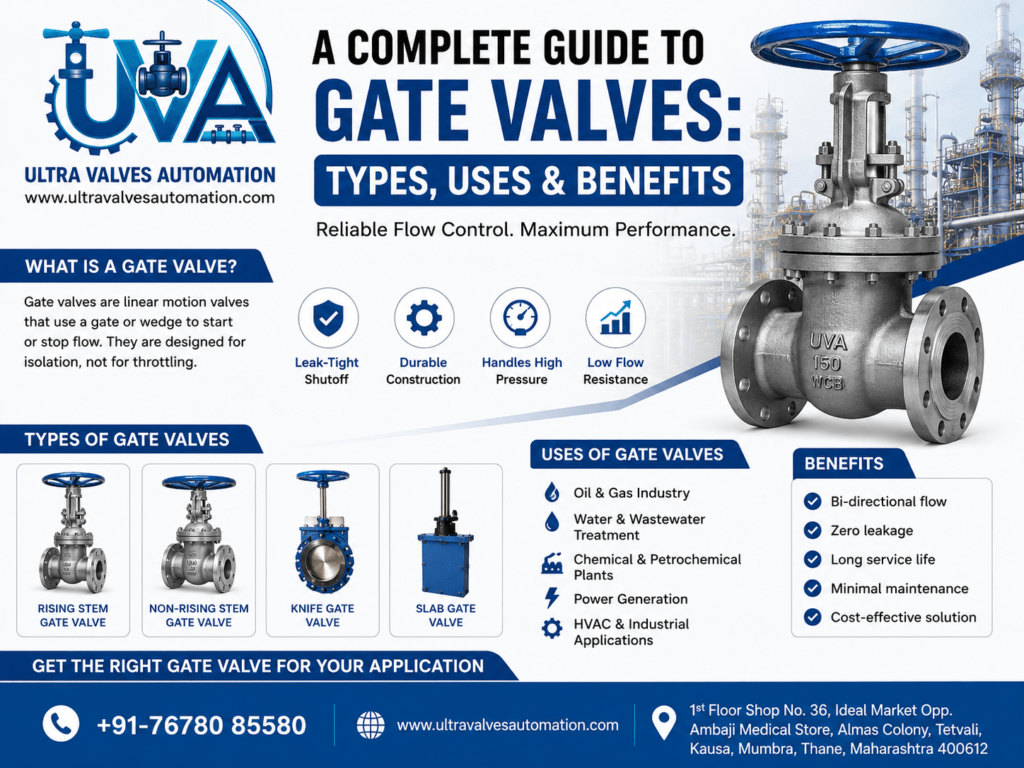
Have you ever wondered what keeps the massive flow of liquids and gases in our cities moving safely and efficiently? Behind every reliable pipeline system lies a critical component that often goes unnoticed until it fails. Choosing the right gate valves manufacturer is the most important step in ensuring your infrastructure remains secure for years to come.
These essential devices act as the primary gatekeepers for industrial flow control. They provide unmatched reliability when you need to stop or start the movement of fluids within a system. By selecting a trusted partner for your hardware needs, you protect your operations from costly leaks and unexpected downtime.
This guide explores why these components are vital for modern engineering. We will help you understand the technical landscape so you can make informed decisions for your next project.
Key Takeaways
- Understanding the role of flow control in modern infrastructure.
- Why selecting a reputable gate valves manufacturer matters for safety.
- How proper hardware selection prevents expensive system failures.
- The importance of material quality in long-term performance.
- Expert tips for maintaining your industrial flow equipment.
Understanding the Fundamentals of Gate Valves
At the heart of most industrial infrastructure lies the humble yet powerful gate valve. These components are essential for managing the flow of liquids and gases across vast networks. By exploring the various types of gate valves, engineers can ensure their systems operate with maximum efficiency and safety.
How Gate Valves Function in Fluid Systems
The core mechanism of a gate valve relies on a sliding gate that moves perpendicular to the direction of the fluid flow. When the valve is fully open, the gate is completely removed from the flow path, allowing for unrestricted movement of the medium. This design is what makes these valves so effective in high-volume applications.
To stop the flow, the gate is lowered into the valve seat, creating a tight seal. This interaction between the gate and the seat is critical for preventing leaks in high-pressure environments. Because of this simple yet robust design, different types of gate valves are used to handle everything from water to corrosive chemicals.
Key Advantages of Using Gate Valves in Industrial Pipelines
One of the primary benefits of choosing a gate valve is the low pressure drop it offers when fully open. Unlike other valve designs that may obstruct the flow, a gate valve provides a full-bore opening. This feature is vital for maintaining consistent pressure throughout long-distance pipelines.
Engineers often prefer these valves because they are highly reliable and require minimal maintenance over time. The following table highlights why these components remain a staple in modern engineering:
| Feature | Benefit | Application |
| Full-Bore Flow | Reduced Turbulence | Main Pipelines |
| Tight Sealing | Leak Prevention | Hazardous Media |
| Low Pressure Drop | Energy Efficiency | Water Treatment |
| Simple Design | Easy Maintenance | General Industry |
By understanding these mechanical principles, you can better select the right types of gate valves for your specific project needs. Whether you are working in power generation or oil and gas, these valves provide the durability required for demanding industrial conditions.
Selecting the Right Gate Valves Manufacturer for Your Project
Your choice of a gate valves manufacturer can significantly impact the long-term success and safety of your industrial operations. Making an informed decision requires looking beyond simple price quotes to evaluate the technical expertise and reliability of the supplier. A professional partner will provide the peace of mind that your infrastructure is built to last.
Quality Standards and Certifications to Look For
When vetting a potential supplier, always prioritize those who adhere to internationally recognized quality standards. Certifications such as ISO 9001 or API (American Petroleum Institute) specifications serve as a benchmark for excellence. These credentials guarantee that the products meet rigorous safety requirements and perform consistently under pressure.
Working with a certified gate valves manufacturer ensures that every component undergoes strict testing protocols before leaving the factory. You should request documentation regarding their quality management systems to verify compliance. This step is essential for minimizing operational risks and avoiding costly downtime in your pipeline systems.
Evaluating Manufacturing Capabilities and Material Sourcing
Beyond certifications, you must assess the technical capacity of the production facility. A capable gate valves manufacturer should demonstrate the ability to handle large-scale production demands without compromising on precision. It is helpful to inquire about their lead times and their experience with specific industrial applications.
Material sourcing is another critical factor that dictates the durability of your valves. High-quality manufacturers maintain transparent supply chains and use certified raw materials that resist corrosion and wear. By verifying these sourcing practices, you ensure that your project receives components built for maximum longevity and performance.
Bolted Bonnet Gate Valves: Reliability for Standard Applications
When evaluating various types of gate valves, the bolted bonnet design stands out for its straightforward construction and long-term performance. These valves are widely recognized for their robust nature, making them a staple in many industrial settings across the United States.
Design Characteristics and Maintenance Benefits
The primary feature of this design is the bolted connection between the valve body and the bonnet. This configuration allows for easy access to the internal components, which is a significant advantage for maintenance teams.
Because the bonnet is secured with bolts, technicians can remove it without specialized equipment to inspect or replace internal parts. This simplifies routine maintenance and helps reduce downtime during scheduled facility shutdowns. The sturdy construction ensures that the valve remains leak-proof under standard operating pressures.
When to Choose Bolted Bonnet Designs
Choosing the right valve depends on your specific operational requirements and budget. Bolted bonnet designs are ideal for applications where cost-effectiveness and durability are the primary goals.
These valves perform exceptionally well in non-extreme, routine operating conditions. They are often the preferred choice for water treatment plants, general manufacturing, and standard utility pipelines. By selecting this design, operators benefit from a proven technology that balances performance with ease of ownership.
| Feature | Bolted Bonnet | Welded Bonnet |
| Maintenance Ease | High | Low |
| Initial Cost | Economical | Higher |
| Pressure Rating | Standard | High/Extreme |
| Best Use Case | General Utility | Critical Service |
Forged Steel Gate Valves for High-Pressure Environments
When you are looking for the most durable types of gate valves, forged steel is the clear winner for high-pressure environments. These components are engineered to handle the intense stresses that would cause standard valves to fail. By choosing the right equipment, you ensure the safety and longevity of your entire pipeline system.
Structural Integrity and Durability Features
The secret to the strength of these valves lies in the forging process itself. Unlike cast alternatives, forged steel undergoes extreme heat and mechanical pressure to shape the metal. This creates a denser, more uniform grain structure that is significantly more resistant to cracks and leaks.
Because the metal is compressed during manufacturing, it gains superior fatigue resistance. This makes these types of gate valves ideal for systems that experience frequent pressure fluctuations. You can rely on their structural integrity to prevent catastrophic failures in critical infrastructure.
Common Industrial Applications for Forged Steel
Forged steel valves are mandatory in sectors where safety is the top priority. In the oil and gas industry, they are used to manage high-pressure pipelines that transport volatile materials. Their ability to withstand extreme conditions makes them a staple in refineries and petrochemical plants.
Power generation facilities also depend on these valves for steam and water management. By integrating these types of gate valves into your design, you protect your facility from the risks associated with high-pressure leaks. They provide the peace of mind that comes with using industry-proven, heavy-duty hardware.
Advanced Sealing Technologies: Pressure Seal and Bellow Seal Valves
Advanced sealing technologies represent the pinnacle of engineering for modern fluid control systems. When standard equipment fails to meet the rigorous demands of extreme environments, engineers turn to specialized types of gate valves. These designs ensure that safety and performance remain uncompromised under intense conditions.
Pressure Seal Gate Valves for High-Temperature Systems
Pressure seal gate valves are specifically engineered for high-pressure and high-temperature applications. Unlike traditional bolted bonnet designs, these valves utilize the internal line pressure to enhance the seal integrity. As the system pressure increases, the sealing force against the gasket also rises, creating a tighter, more reliable connection.
“True engineering excellence is found in designs that turn environmental challenges into operational advantages.”
This self-sealing mechanism makes them a preferred choice for power plants and refineries. They effectively minimize the risk of leaks in steam lines where thermal expansion is a constant concern.
Bellow Seal Gate Valves for Hazardous and Toxic Media
When handling volatile or toxic substances, preventing even the smallest leak is a top priority. Bellow seal gate valves provide a secondary containment barrier that isolates the stem from the process fluid. This design eliminates the traditional packing gland, which is often the weakest point for potential emissions.
Why Bellow Seals are Essential for Emission Control
Modern environmental regulations require strict adherence to emission standards. Bellow seals are critical because they offer a hermetically sealed environment, ensuring that hazardous gases or liquids do not escape into the atmosphere. By choosing these specific types of gate valves, facilities can achieve better compliance and protect their workforce.
| Feature | Pressure Seal | Bellow Seal |
| Primary Use | High-Temperature/Pressure | Hazardous/Toxic Media |
| Sealing Method | Internal Line Pressure | Metallic Bellows |
| Key Benefit | High Durability | Zero Leakage |
Ultimately, selecting the correct valve technology depends on the specific risks of your application. Whether you prioritize high-pressure resistance or absolute containment, these advanced types of gate valves provide the necessary reliability for modern industrial infrastructure.
Common Industrial Gate Valve Uses Across Sectors
From massive energy grids to local water systems, industrial gate valve uses are incredibly diverse and essential for modern operations. These components act as the silent guardians of fluid transport, ensuring that liquids and gases move safely through complex networks. By providing reliable shut-off capabilities, they help maintain the integrity of systems that keep our society running.
Oil and Gas Pipeline Infrastructure
In the energy sector, gate valves are indispensable for managing the flow of hydrocarbons over vast distances. They are frequently installed in main transmission lines to allow for complete isolation during maintenance or emergency shutdowns. This capability is vital for preventing leaks and protecting the surrounding environment from potential hazards.
Engineers rely on these valves because they offer a straight-through flow path, which minimizes pressure drop. This efficiency is crucial when transporting crude oil or natural gas across state lines. By choosing the right industrial gate valve uses, companies can significantly improve the longevity of their pipeline assets.
Power Generation and Water Treatment Facilities
Power plants and water treatment facilities require equipment that can handle high-volume flow with absolute precision. Gate valves are often used in cooling water systems and steam lines to ensure that flow is either fully open or tightly closed. This dependable isolation is a cornerstone of safety in high-pressure environments.
In water treatment, these valves manage the movement of raw water, chemicals, and treated effluent through various processing stages. Their robust design allows them to withstand the harsh conditions often found in municipal infrastructure. The following table highlights how these valves serve different operational needs.
| Sector | Primary Function | Key Benefit |
| Oil & Gas | Pipeline Isolation | Leak Prevention |
| Power Plants | Steam Flow Control | High-Pressure Safety |
| Water Treatment | Flow Regulation | Corrosion Resistance |
Ultimately, the versatility of these valves makes them a preferred choice for engineers across many fields. Whether in a remote pipeline or a city treatment plant, industrial gate valve uses remain a fundamental aspect of reliable infrastructure management.
Conclusion
Selecting the right valve technology remains a critical step for any infrastructure project. Matching specific designs like forged steel or pressure seal models to your unique environment ensures long-term safety and performance.
Diverse industrial gate valve uses require a deep understanding of material compatibility and pressure ratings. Relying on proven manufacturers like Flowserve or Emerson helps maintain the integrity of your pipeline systems over time.
Prioritizing quality engineering prevents costly downtime and protects your assets. Operators who invest in proper valve selection gain peace of mind through consistent, reliable flow control.
Reach out to industry experts to refine your technical specifications before starting your next installation. Getting the right advice now saves significant resources during the lifecycle of your equipment.
FAQ
What are the primary industrial gate valve uses in modern infrastructure?
Gate valves are essential for applications requiring a straight-line flow of fluid with minimum restriction. Common industrial gate valve uses include isolation in oil and gas pipelines, power plant steam systems, and large-scale water treatment facilities. Because they offer a full-bore flow, they are perfect for systems where low pressure drop is a priority, such as those managed by companies like Chevron or ExxonMobil in their refinery operations.
Why is it important to select a certified gate valves manufacturer?
Choosing a reputable gate valves manufacturer ensures that the components meet rigorous safety and performance standards. You should look for manufacturers that adhere to international certifications such as ISO 9001, API 600, or ASME B16.34. Working with established brands like Velan, Crane CP&E, or Emerson provides peace of mind that the materials used, especially in high-pressure environments, have been tested for structural integrity and long-term reliability.
What are the different types of gate valves available for high-pressure systems?
When dealing with extreme conditions, the most common types of gate valves include forged steel gate valves and pressure seal gate valves. Forged steel is preferred for its dense grain structure, which handles high stress better than cast alternatives. Meanwhile, pressure seal designs are specifically engineered for high-temperature and high-pressure service, as they utilize the internal system pressure to tighten the seal, making them a staple in high-performance sectors like power generation.
When should a project manager opt for a bolted bonnet gate valve design?
A bolted bonnet gate valve is the “workhorse” of the industry and is ideal for standard industrial applications where ease of maintenance is a priority. This design features a flanged joint that is bolted together, allowing for quick disassembly, inspection, and repair. It is a cost-effective and highly reliable solution for routine operations in water distribution and general manufacturing pipelines where extreme pressures are not the primary concern.
How do bellow seal gate valves contribute to environmental safety and emission control?
Bellow seal gate valves are specifically designed for handling hazardous, toxic, or volatile media. They feature a secondary containment barrier—the metal bellow—which prevents any leakage of the medium to the atmosphere. This makes them essential for companies focusing on environmental compliance and “zero leakage” initiatives to prevent fugitive emissions, particularly in chemical processing or nuclear applications where safety and environmental protection are non-negotiable.
What makes forged steel gate valves superior to cast steel in safety-critical environments?
The forging process creates a much stronger component by eliminating internal porosities and gas pockets that can occur during casting. This results in a valve with superior mechanical properties and impact resistance. In safety-critical sectors, such as offshore drilling or high-pressure steam lines, a gate valves manufacturer will typically recommend forged steel to ensure the system can withstand thermal expansion and mechanical fatigue without the risk of catastrophic failure.